The hudson River Project
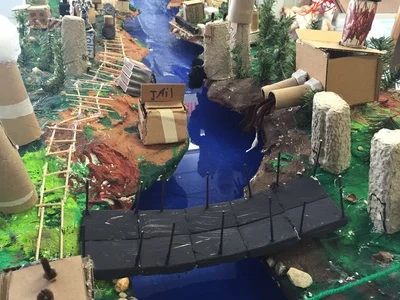
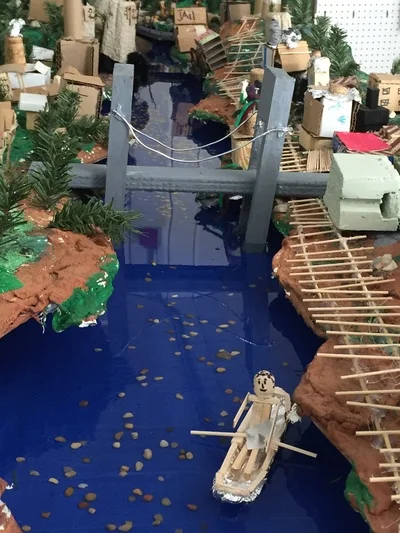
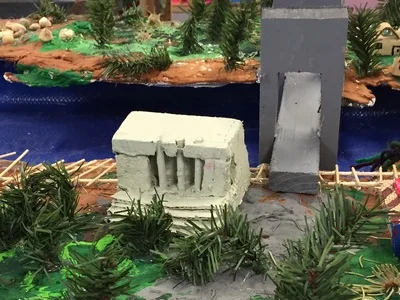
Welcome to the Hudson River Project! This year-long project was inspired by the 3rd grade guiding question " How does the relationship between people and the environment change over time?". 3rd graders were tasked with the challenge of demonstrating their understanding of this prompt, by creating a scale model of the Hudson River. The model needed to represent three different periods in the history of the Hudson River, including geographical features and salient cultural/ architectural landmarks from each time period.
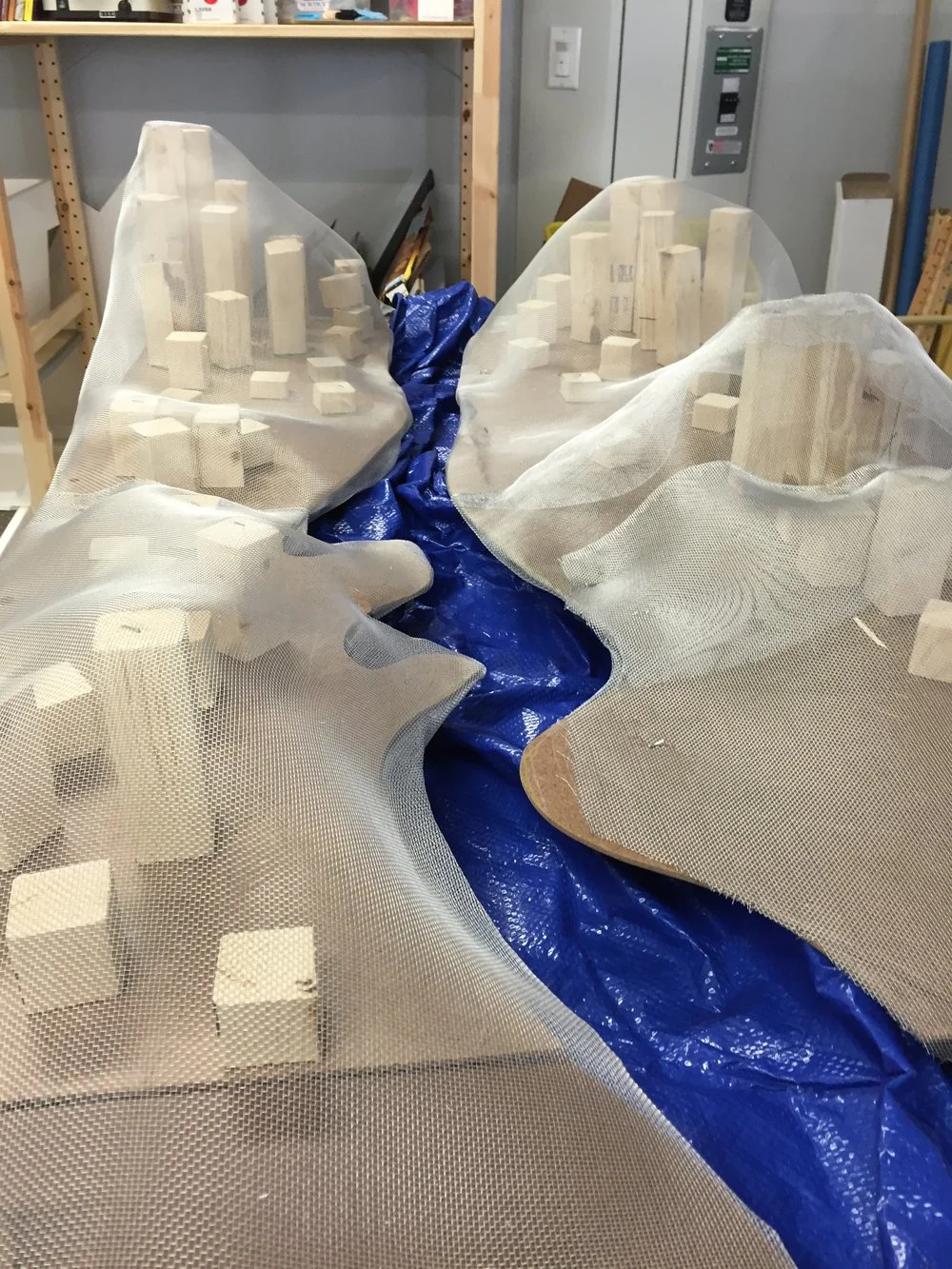
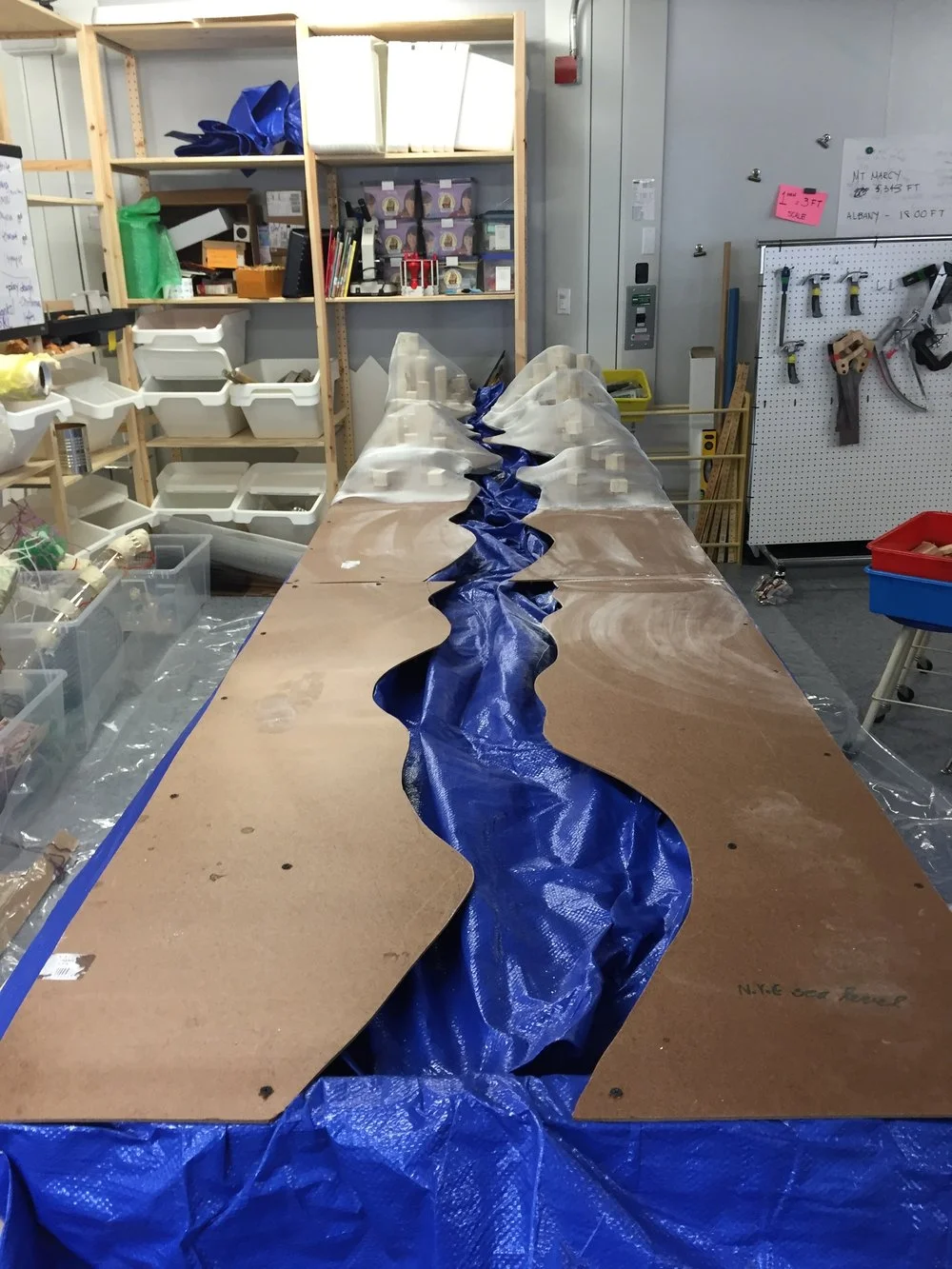
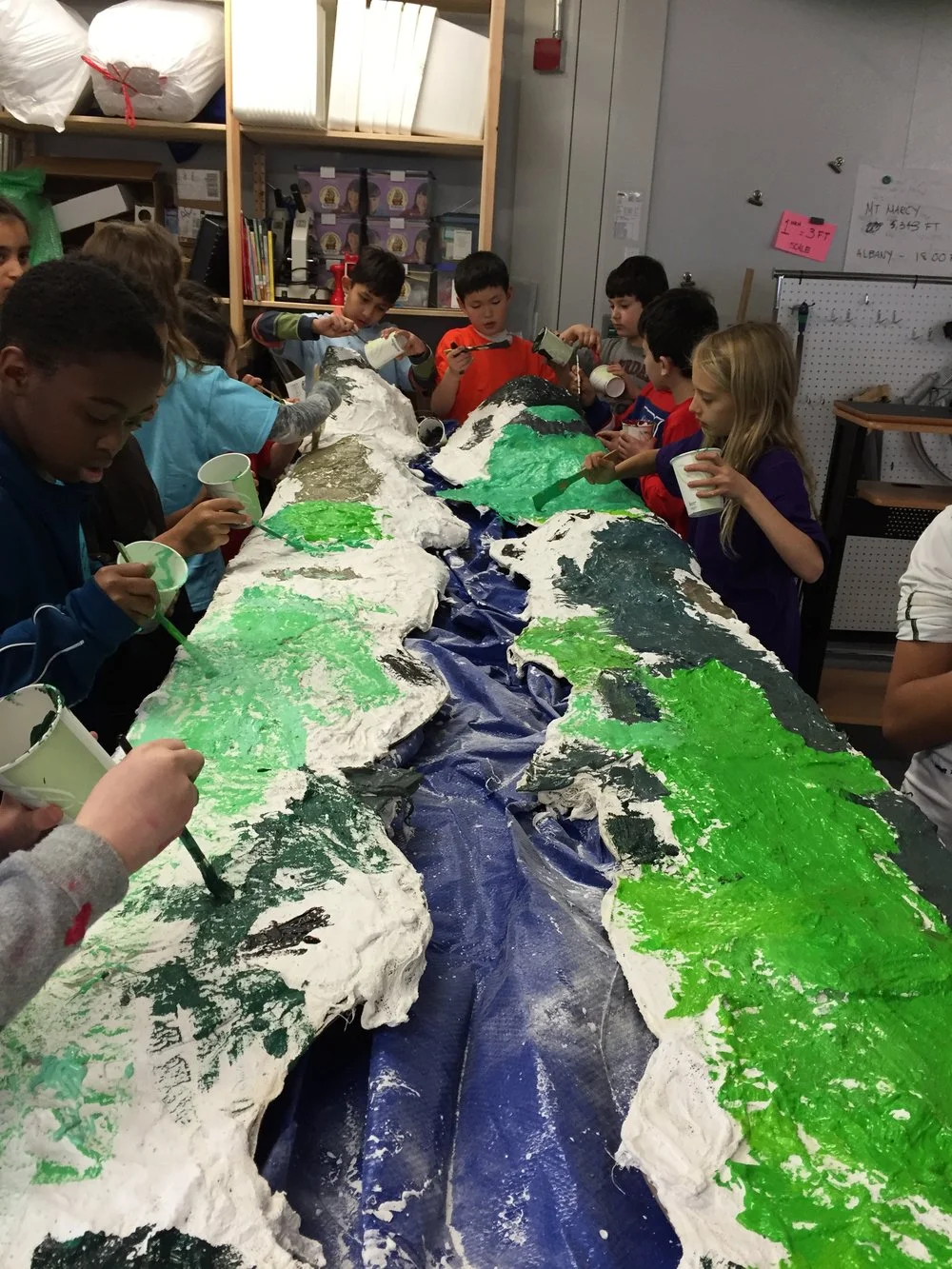
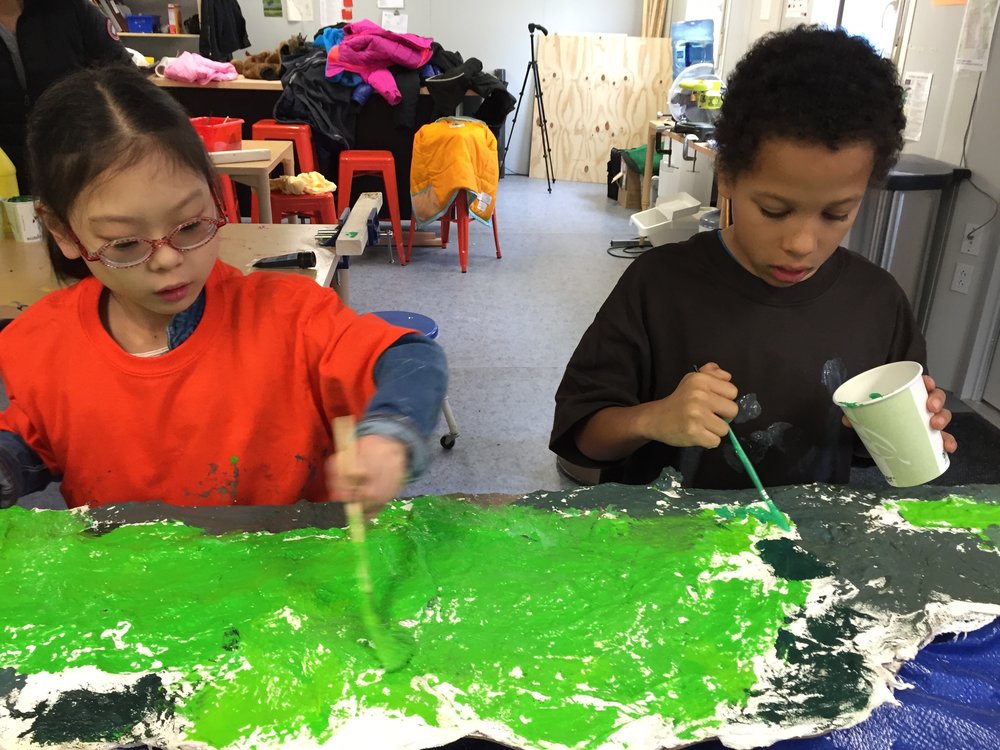
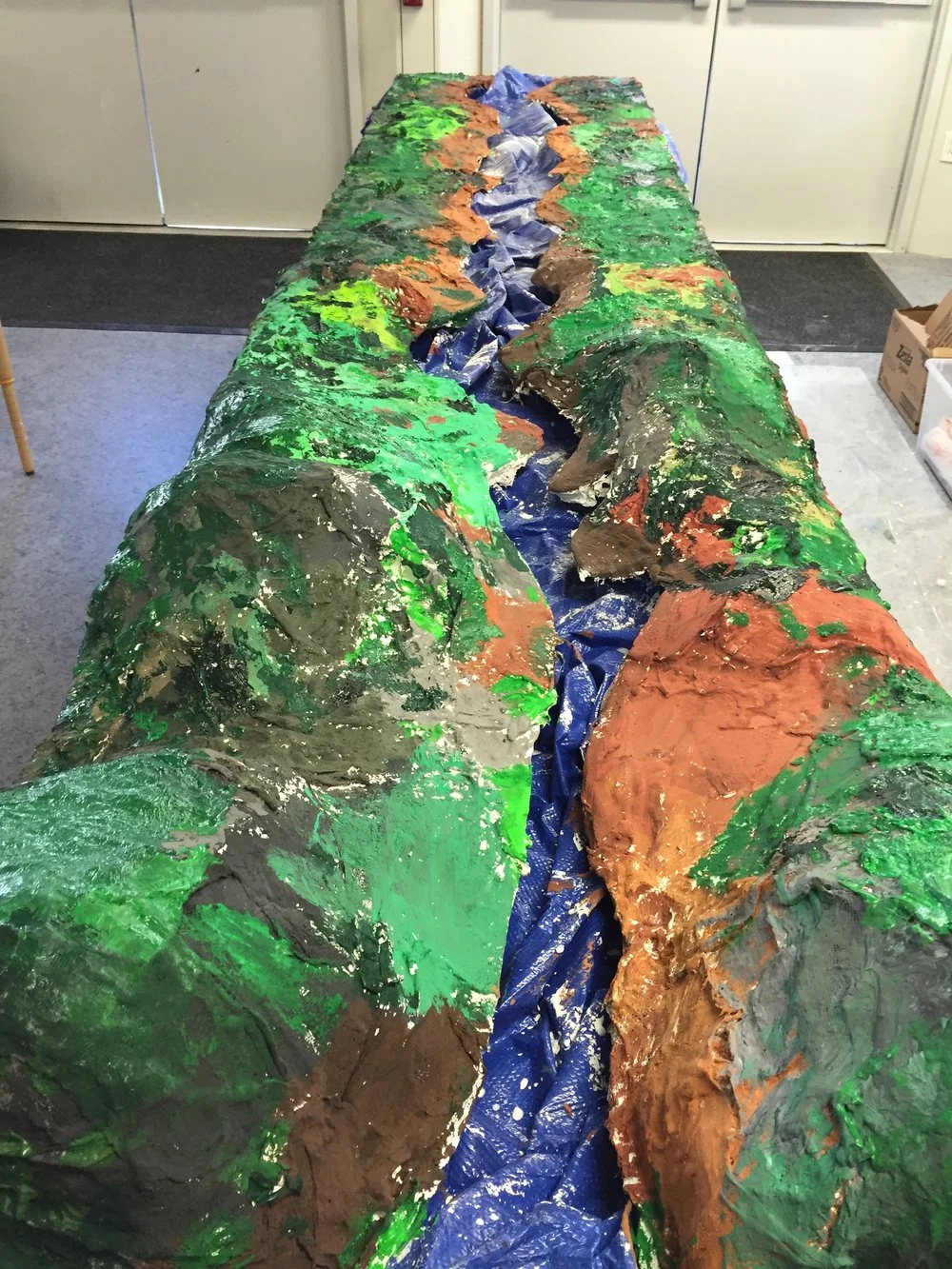
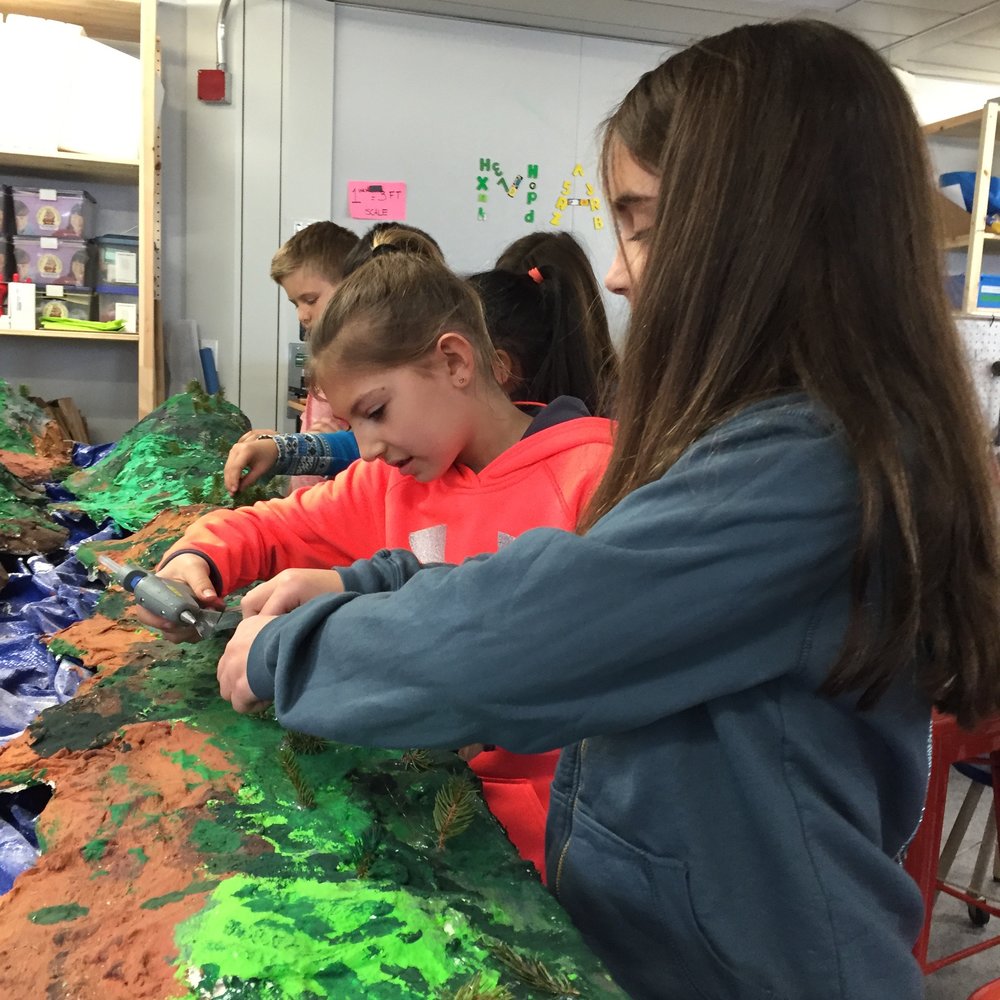
MODEL CONSTRUCTION
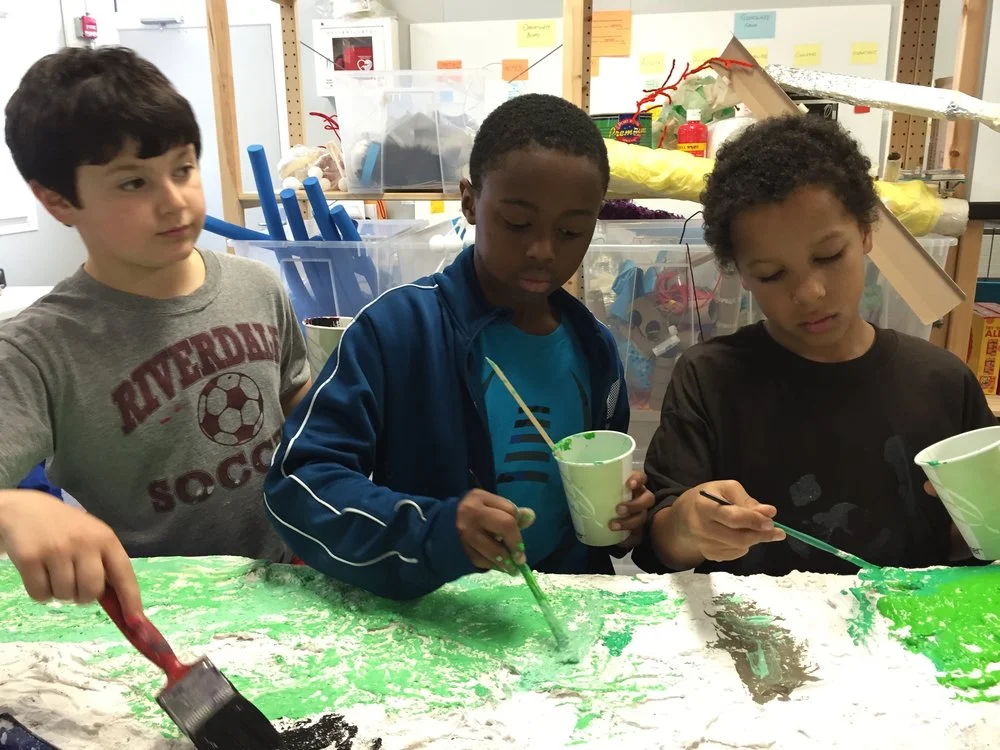
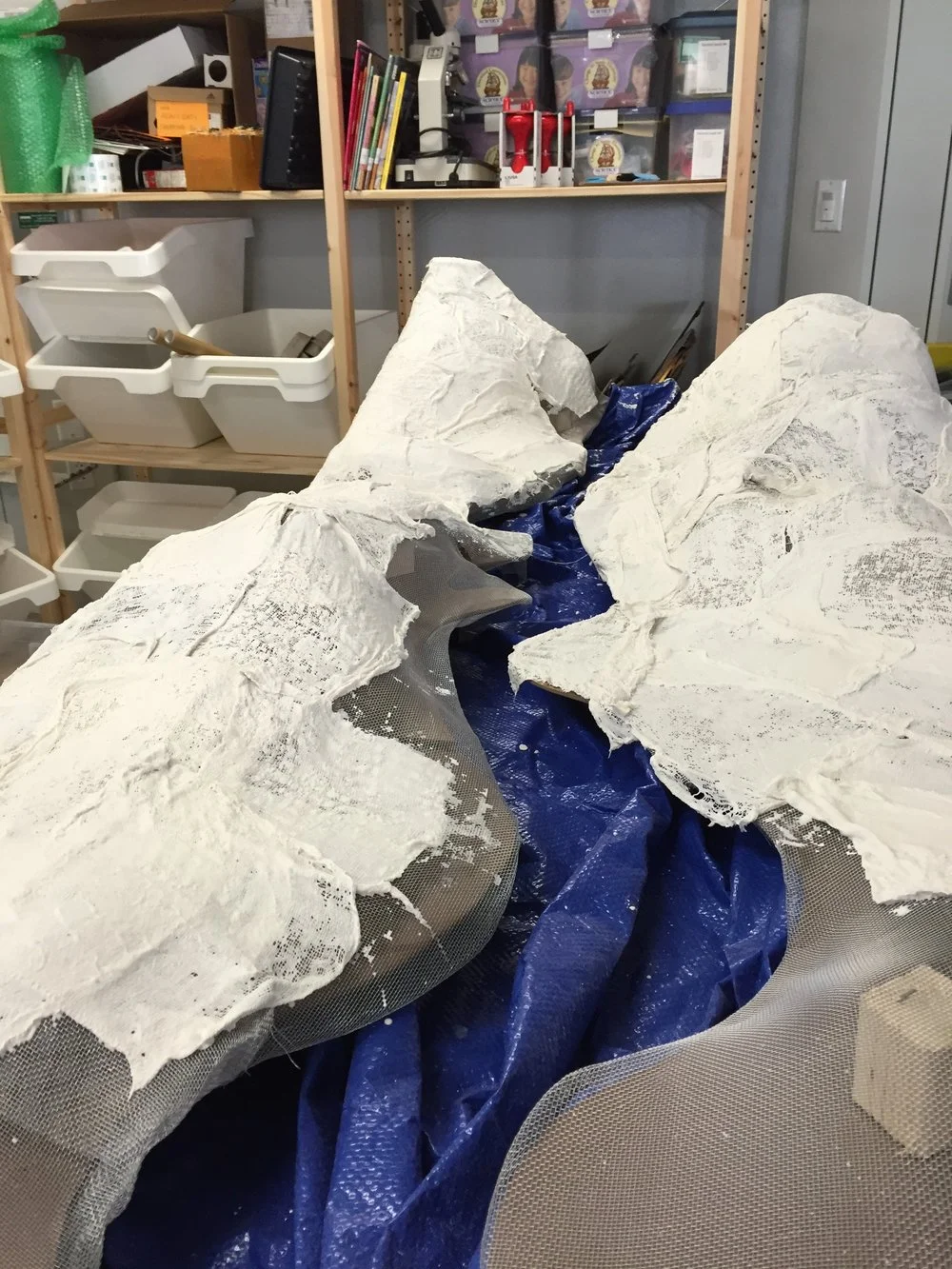
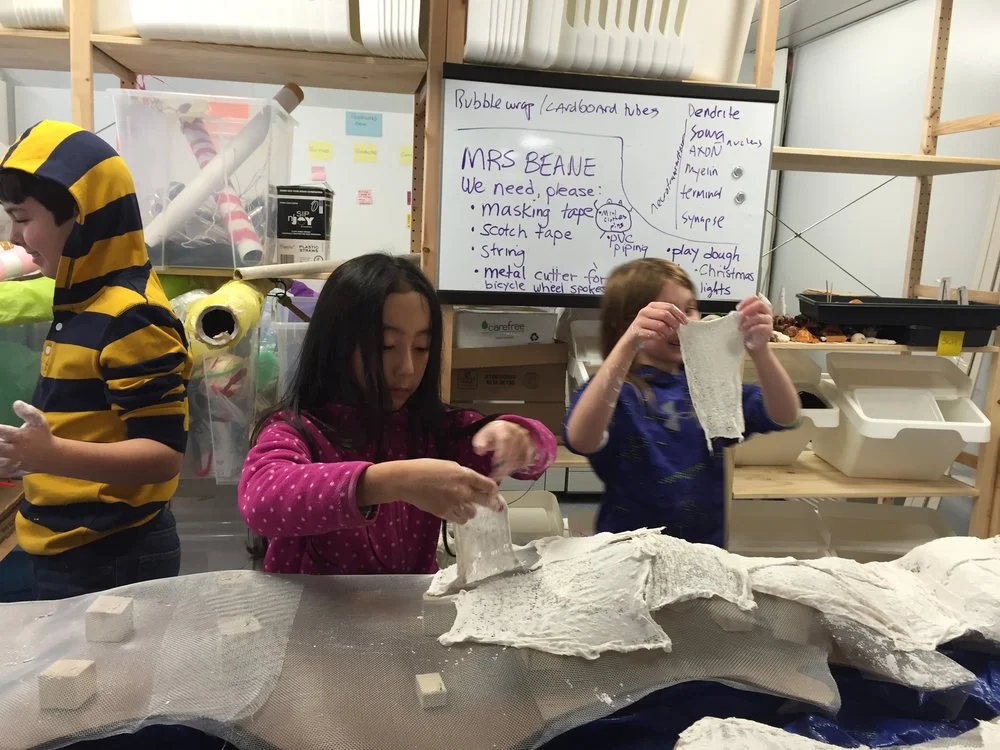
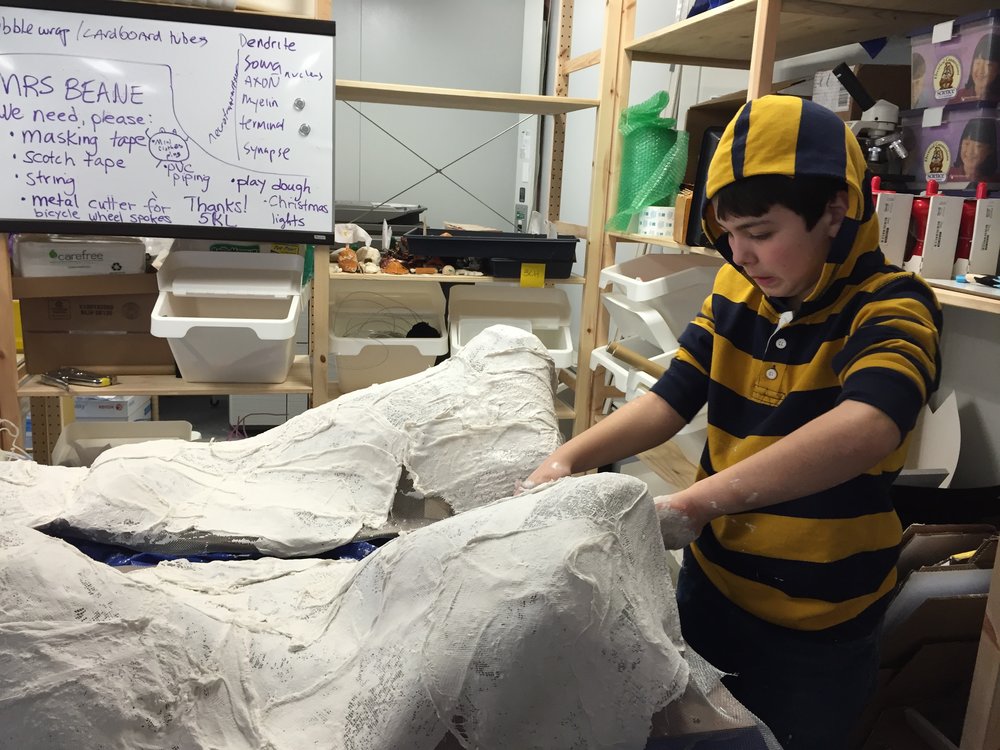
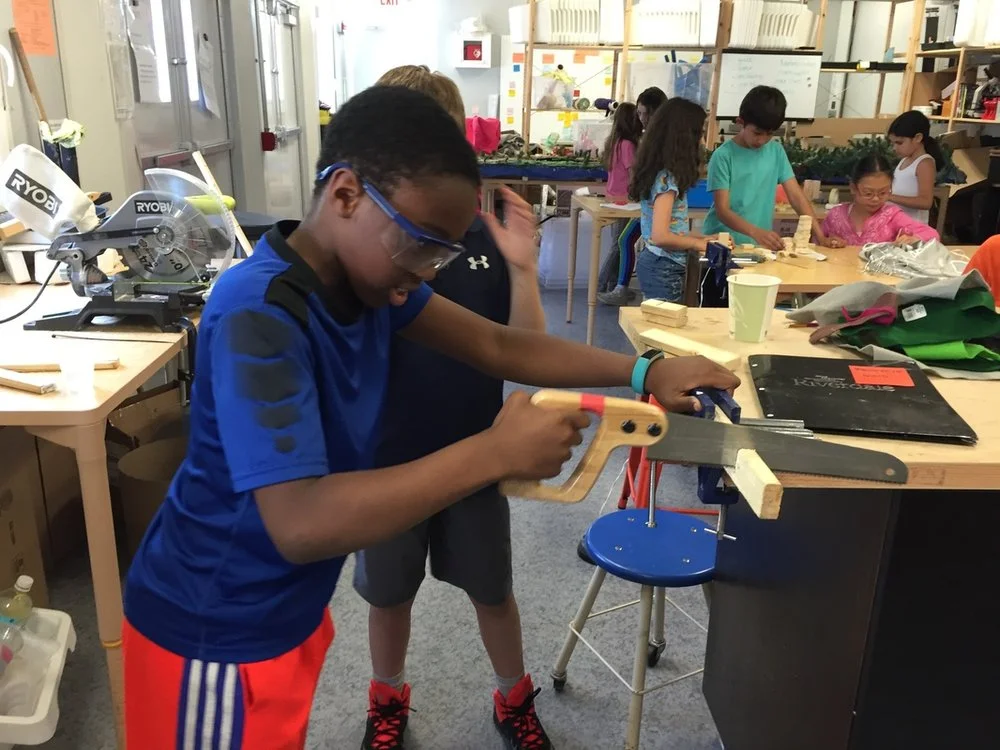
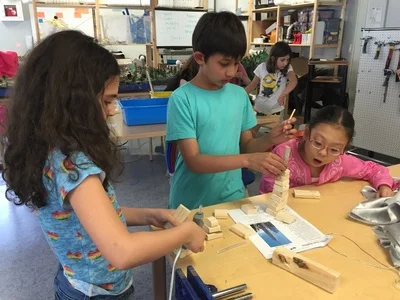
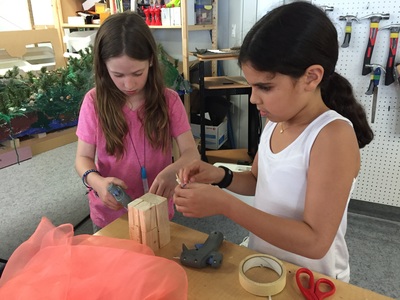
Students from all of the 3rd grade classes participated in building the structure of the model. Students helped to create the river bed, assembling the frame, laying down tarp for the lining and learning to use simple hand tools such as saws and hammers to cut and attach wood blocks. After finishing the frame, students learned about scale, elevation and topography. They applied this knowledge to the task of creating the geographical features of the Upper Hudson, such as Mt. Marcy, Lake Tear-in-the-Clouds and other portions of the Adirondacks.
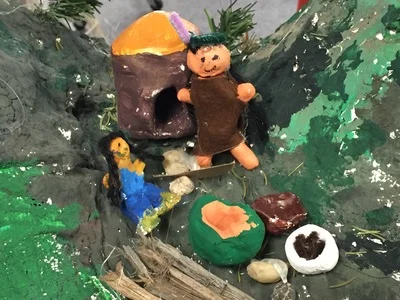
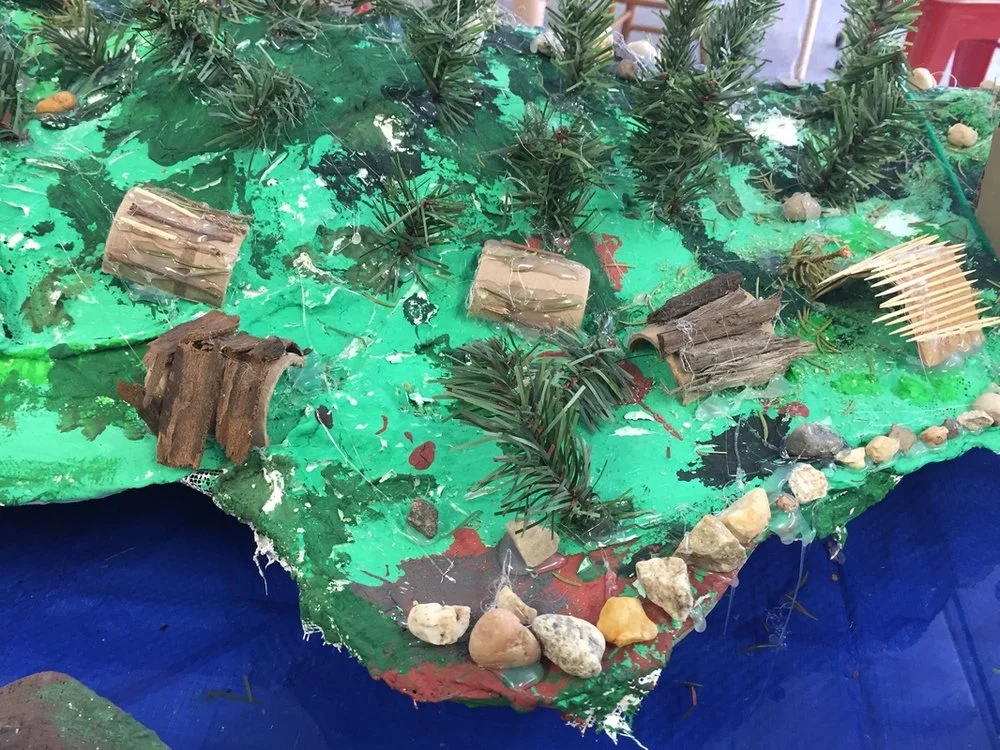
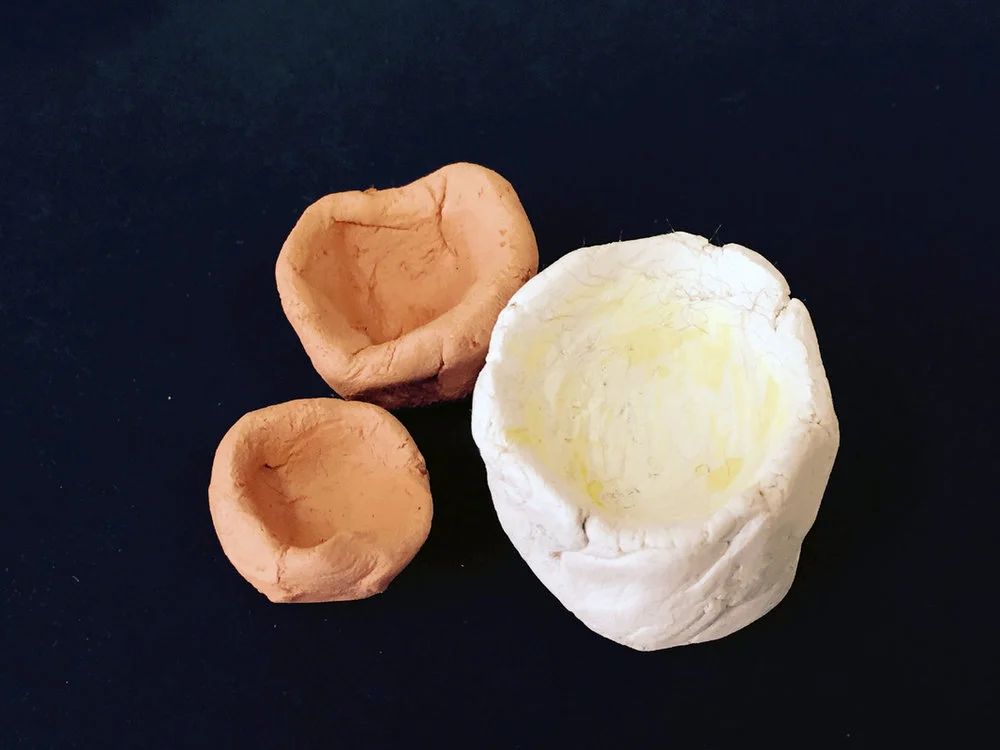
THE LENAPE INDIANS
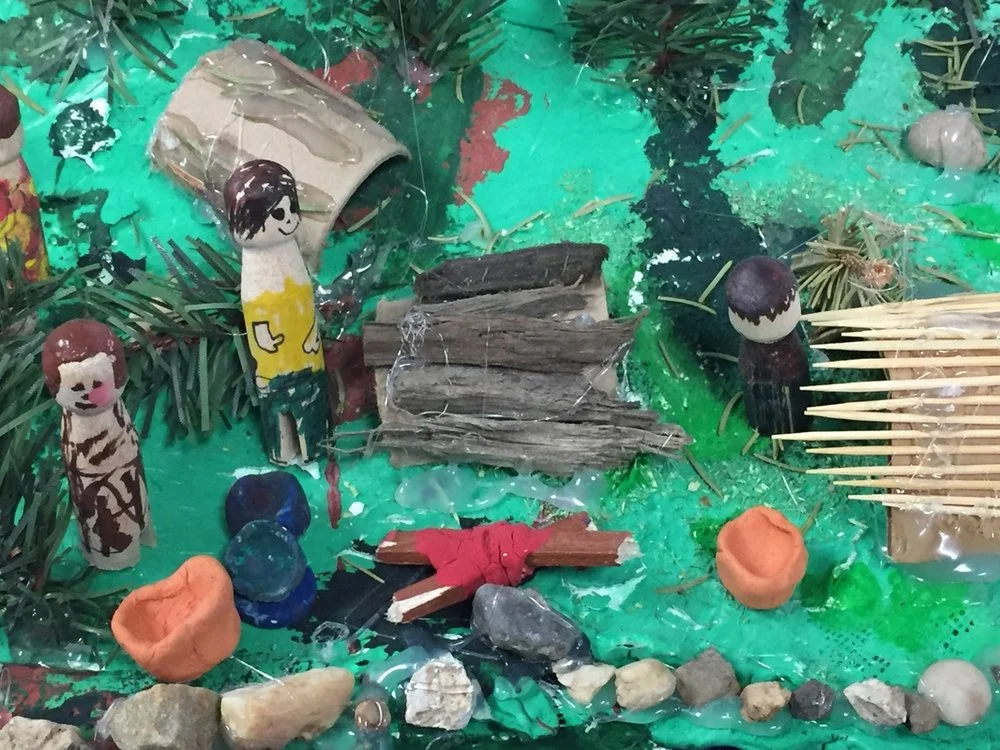
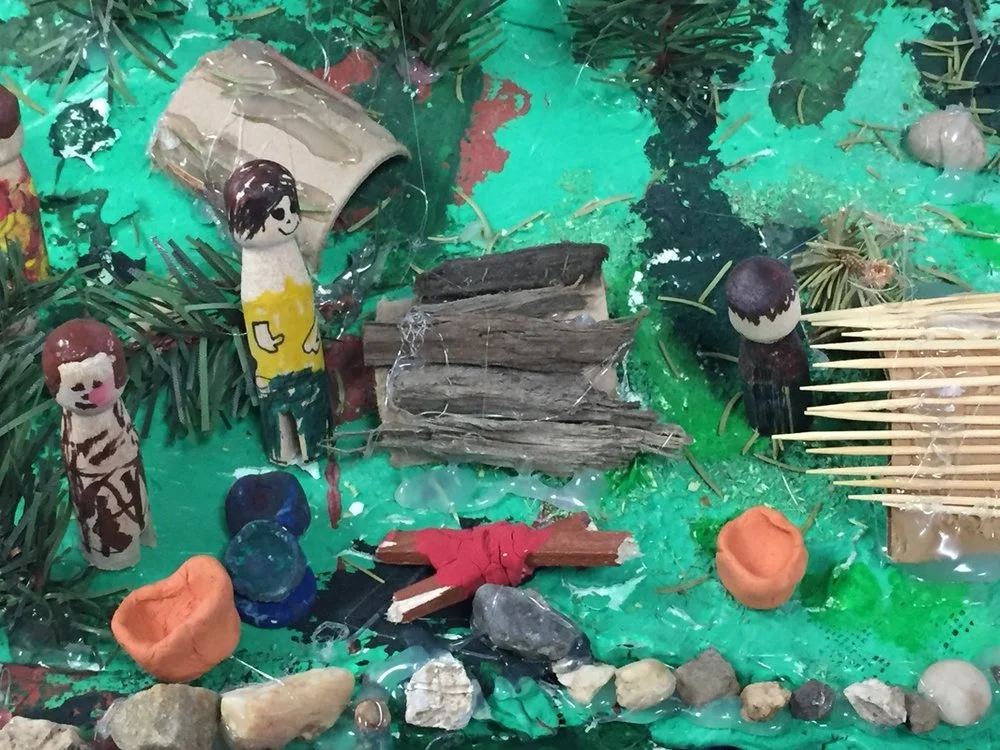
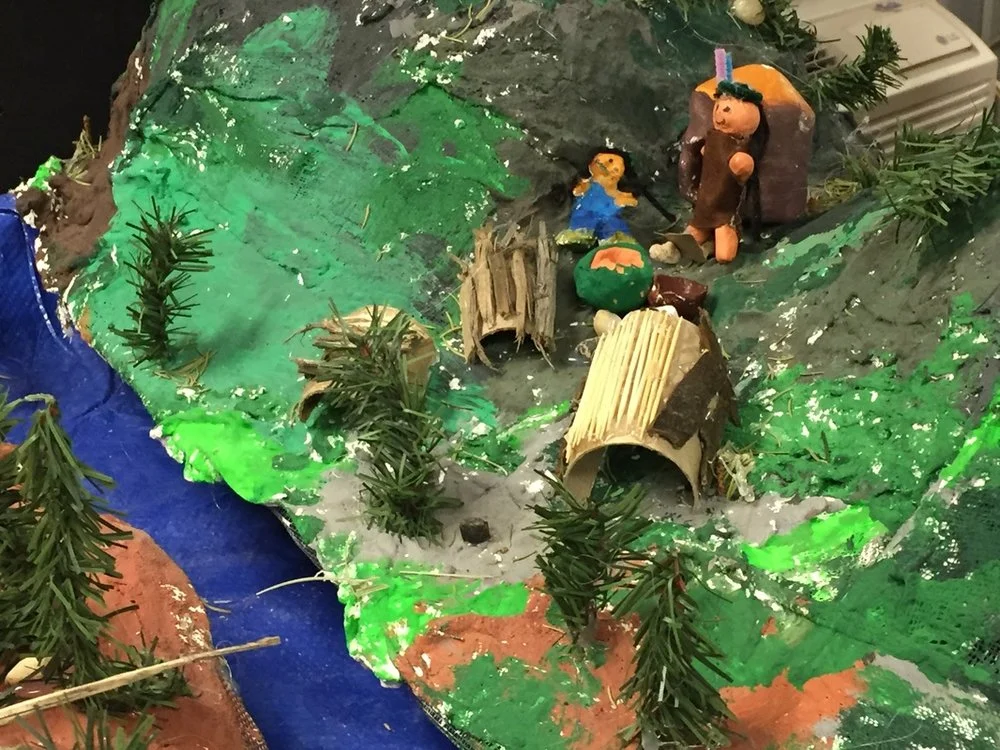
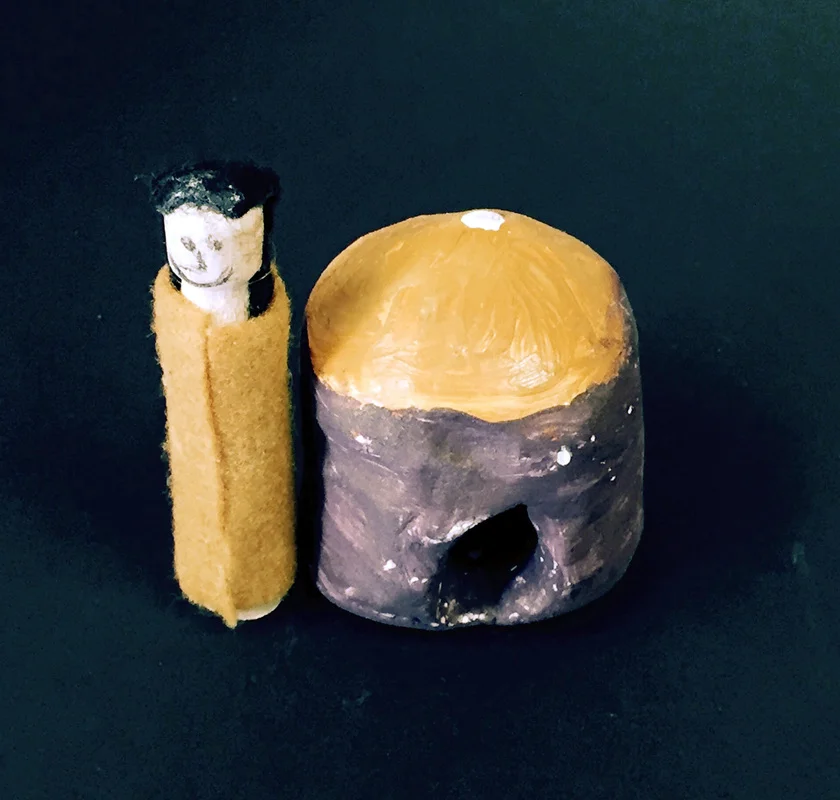
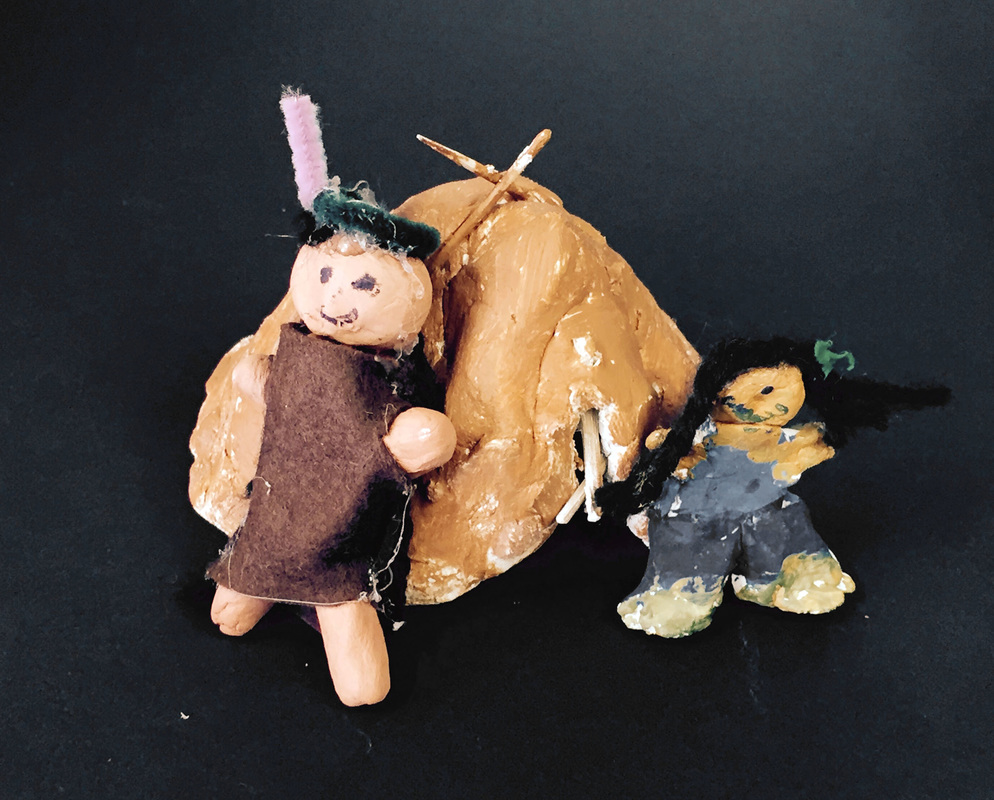
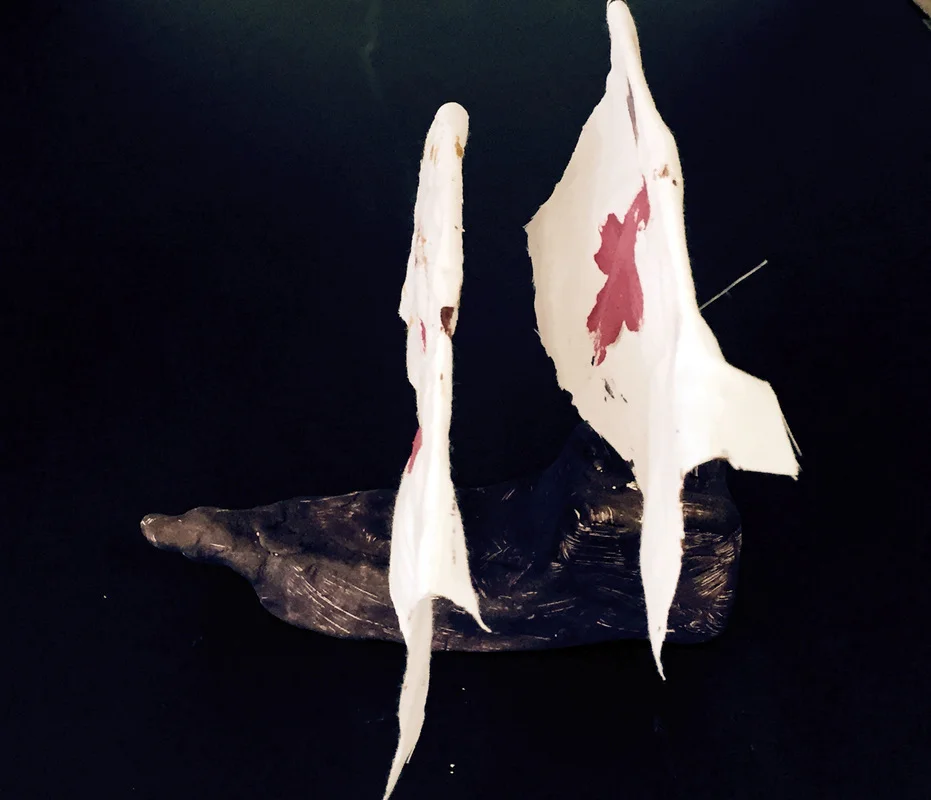
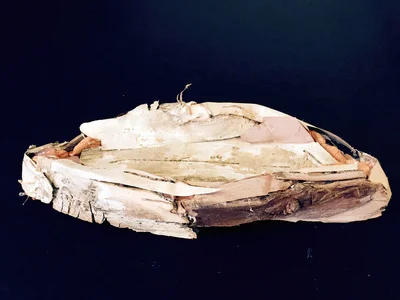
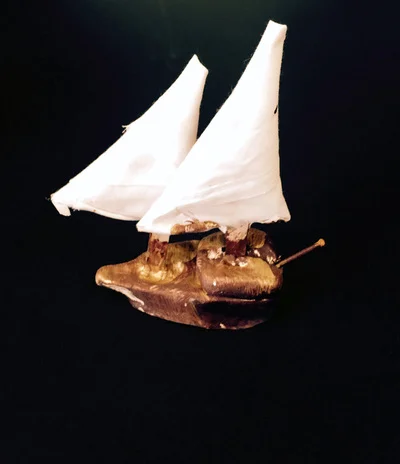
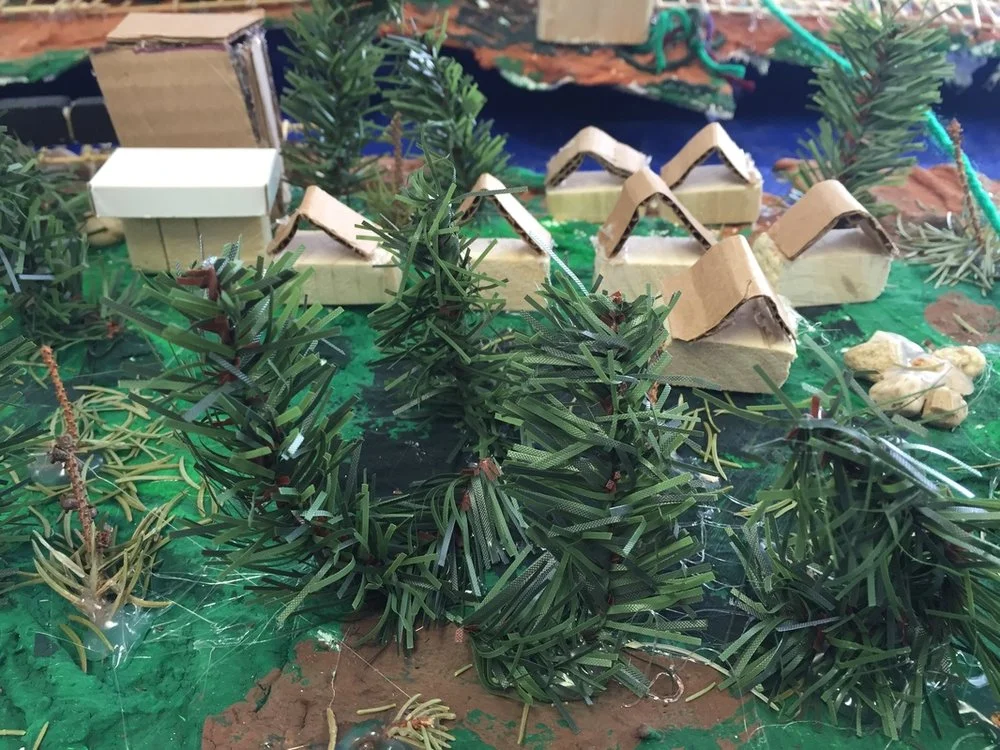
As the students learned about Lenape culture in Social Studies, they worked on a section of the model that would represent the Lenape time period . They created Longhouses, Wigwams, pottery, canoes and other artifacts from Lenape culture. They were asked to consider how the Hudson River was an integral part of the Lenape lifestyle and the environmental impact of their presence.
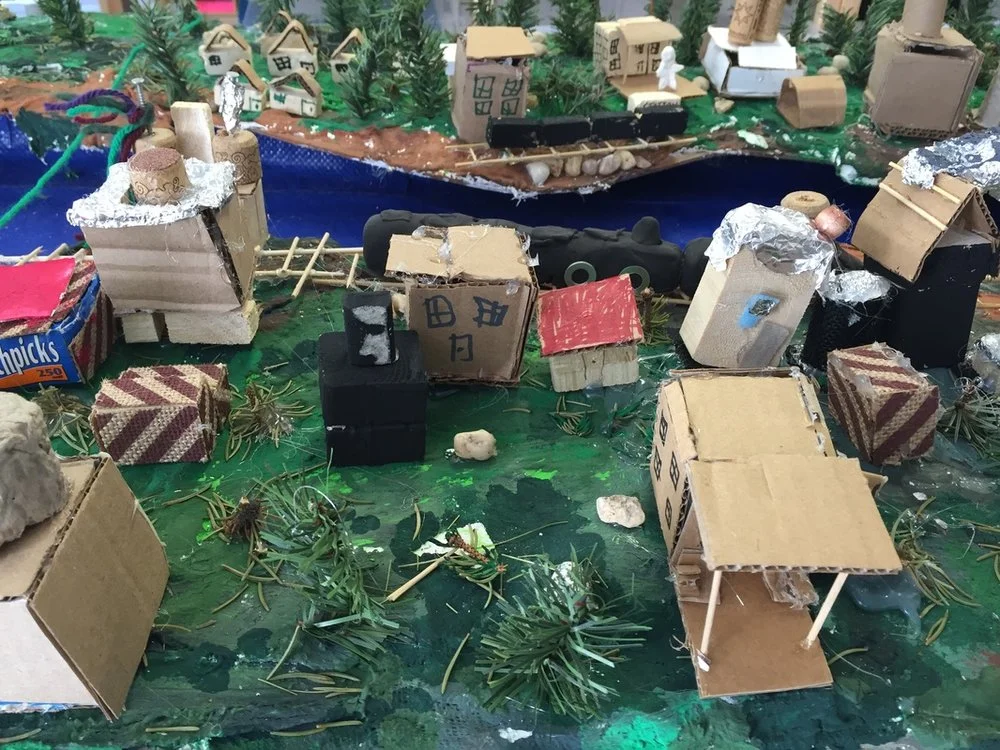
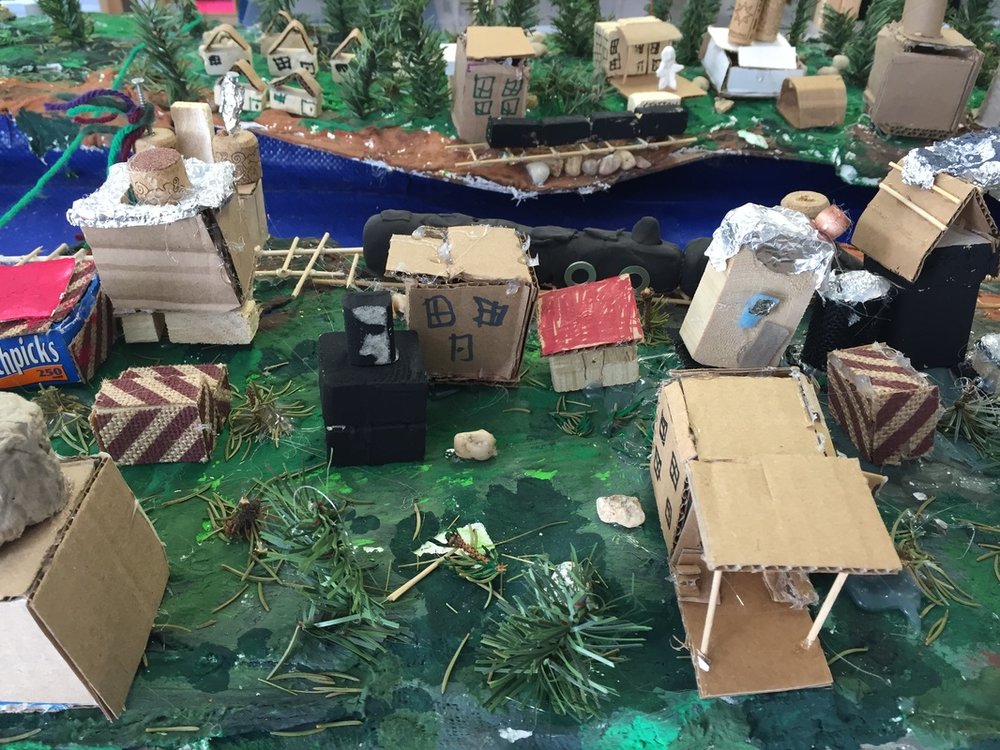
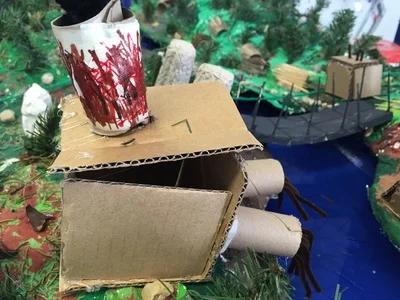
THE INDUSTRIAL REVOLUTION
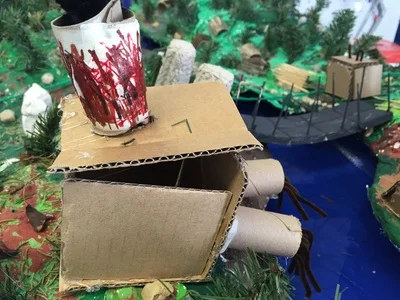
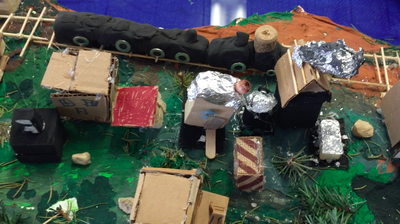
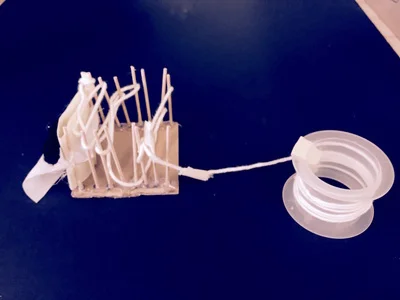
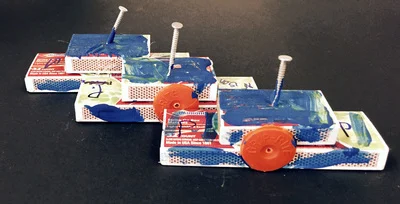
As they studied the Industrial Revolution, students depicted the changes that occurred along the Hudson during this time period. They reflected on both the cultural and social gains brought about by inventions such as the water loom and the steam engine. They also thought about the negative repercussions these changes brought, such as pollution and overcrowding.
CONTEMPORARY MANHATTAN
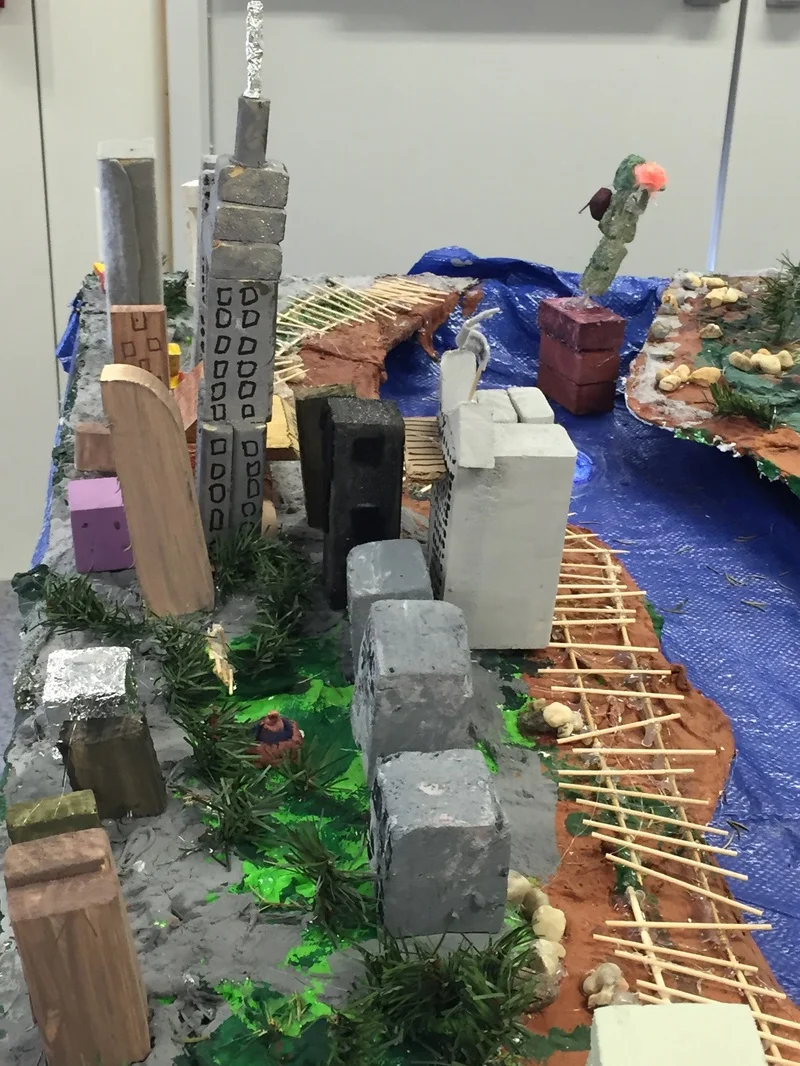
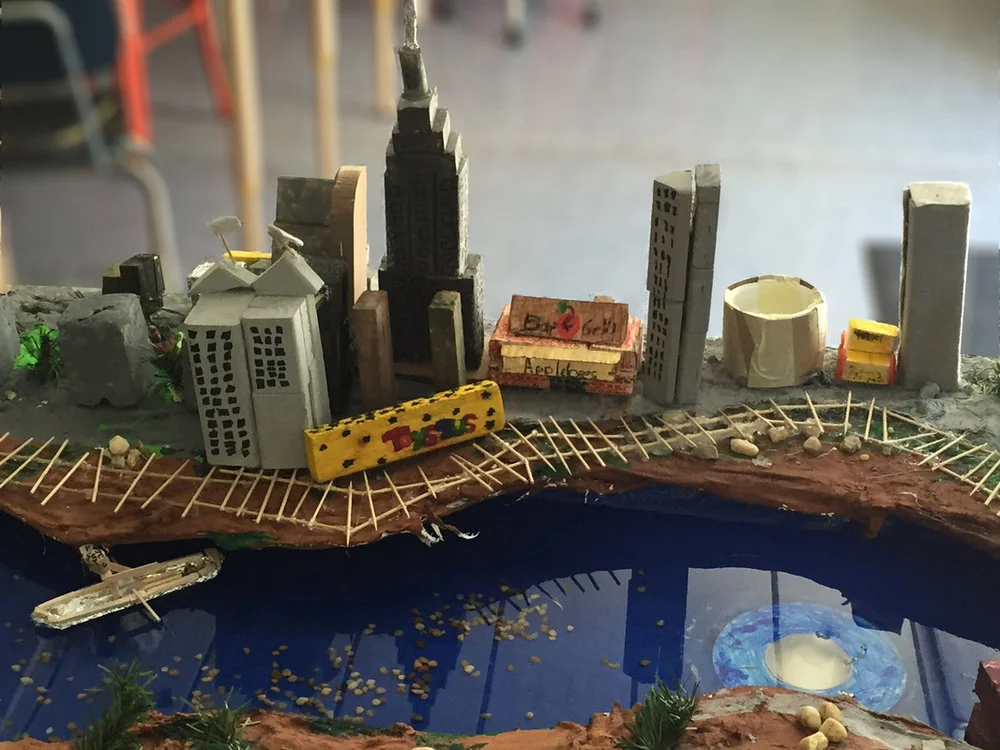
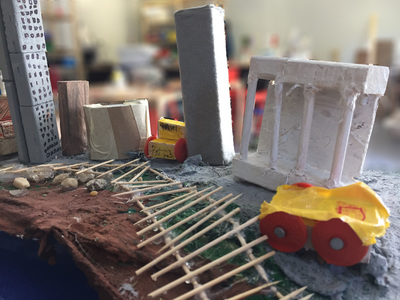
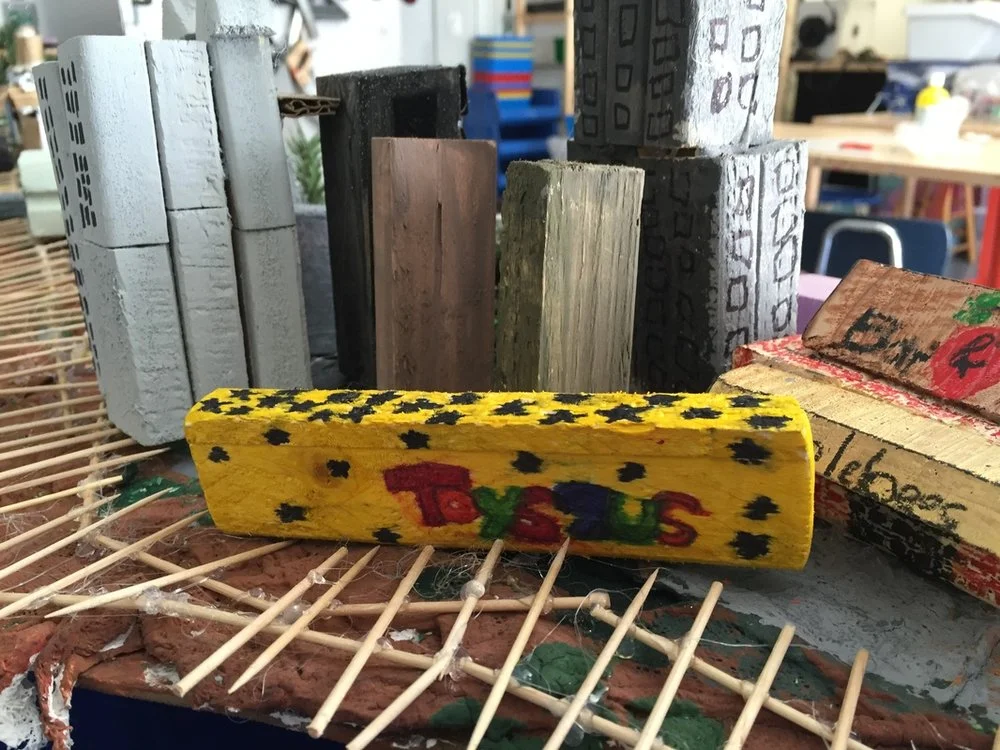
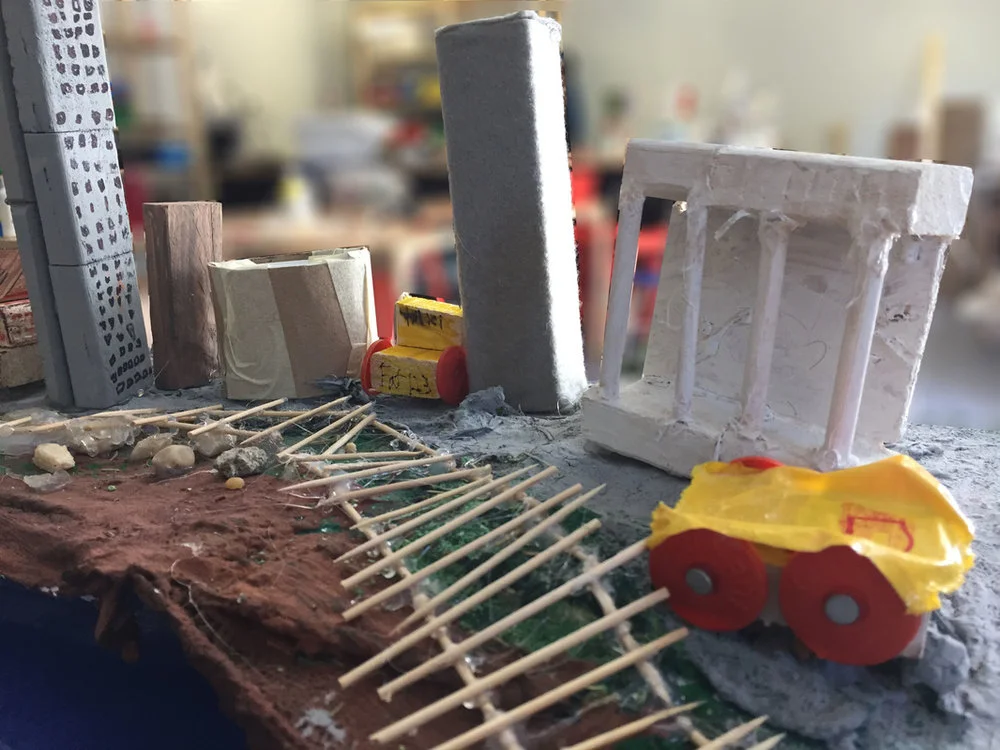
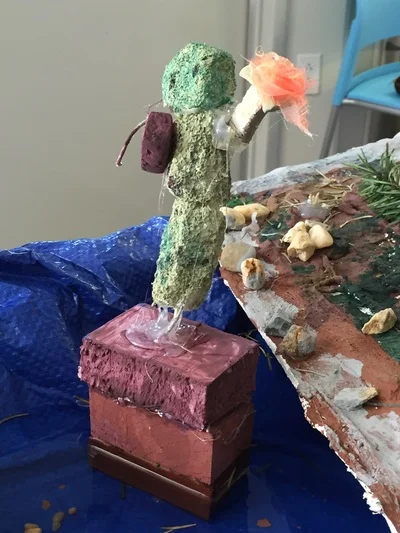
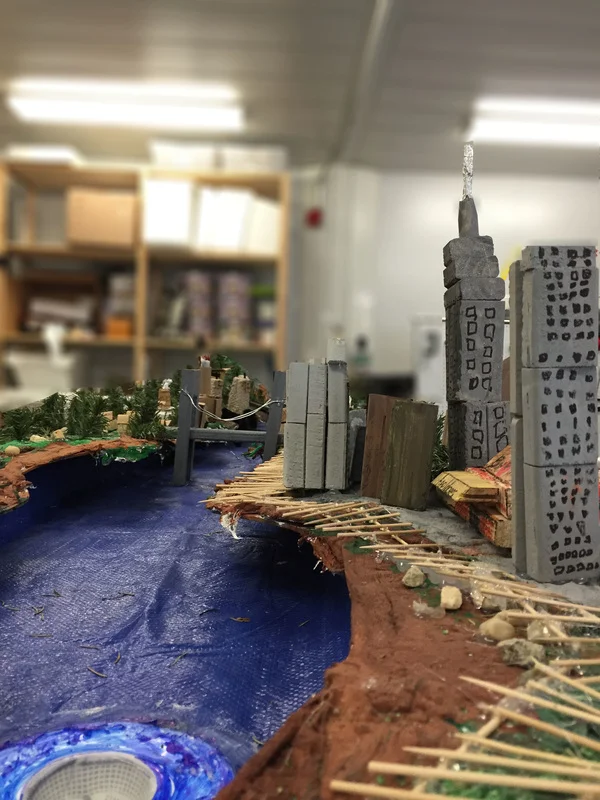
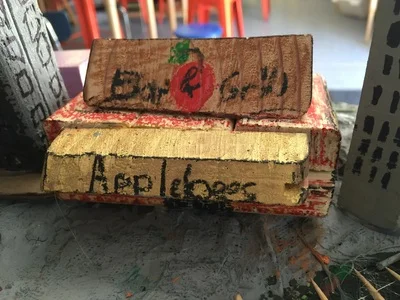
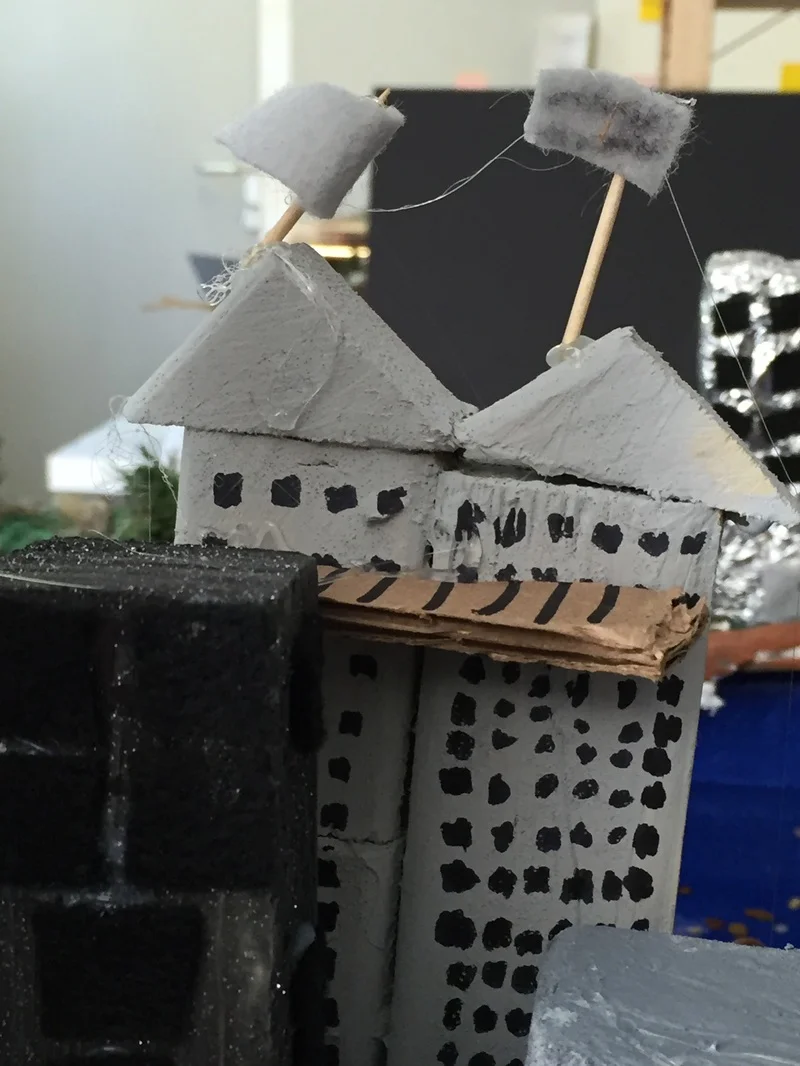
At the end of the year, students finished up the model of the Hudson River by adding a section containing Contemporary Manhattan. They were asked to consider the effect of contemporary lifestyles on the environment and the ecosystem of the River and to compare this to the impact of earlier cultures. We discussed how past practices of industry polluted the water and current efforts to clean it up. Students created cultural landmarks of NYC, such as the Empire State Building, the Statue of Liberty, George Washington Bridge, Flatiron Building, City Hall and the Chrysler building. They also included personal favorites such as the M&M store, Toys-r-Us and Madison Square Garden.